Dhaka adopts cautious approach after US tariff move
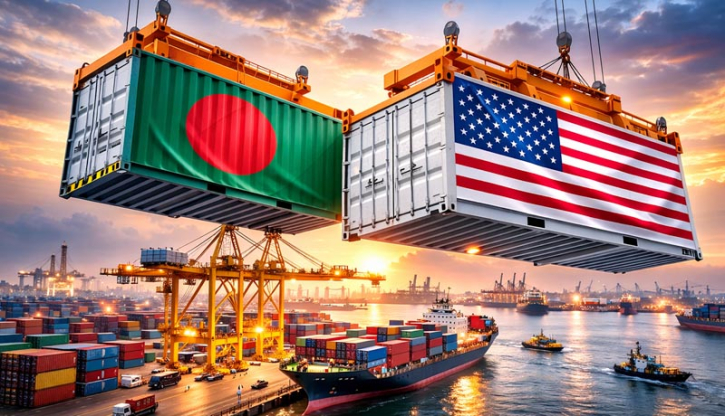
Bangladesh has decided to adopt a wait-and-see approach after the United States announced a new 15 percent tariff on imports from nearly all countries, with authorities seeking more clarity before making any policy decisions.
The Ministry of Commerce is scheduled to meet leading exporters and trade economists on February 25 to evaluate the likely impact of the tariff and consider possible responses. Officials say the consultations will focus on key export sectors such as readymade garments, leather goods and pharmaceuticals, which depend heavily on access to the US market.
Commerce Secretary Mahbubur Rahman said Bangladesh will not immediately open negotiations with Washington and will hold off on ratifying a previously signed trade agreement until the situation becomes clearer. The agreement was concluded after the earlier reciprocal tariff measures were announced but has yet to take effect because neither side has formally ratified it.
Commerce Secretary Rahman said Dhaka would first gather opinions from industry leaders and policy experts before deciding on further action. If the United States ratifies the agreement and formally notifies Bangladesh, the government will then assess whether the terms remain relevant under the new tariff structure.
The new US tariff follows a Supreme Court ruling that struck down earlier reciprocal tariff measures, prompting Washington to introduce duties under a different legal framework. Officials in Dhaka say Bangladesh’s response will depend largely on whether the tariff is applied uniformly or whether country-specific concessions become available.
If all countries face the same rate, Bangladesh may have limited room to maneuver. However, authorities indicated they could seek negotiations if preferential treatment or reduced tariffs are offered.
The United States remains Bangladesh’s single largest export destination, making any change in tariff policy a major concern for exporters and policymakers.
.png "Advertisement")