Bangladesh-UK to increase strategic engagement beyond traditional cooperation

Bangladesh and the United Kingdom are moving toward a more comprehensive strategic partnership, with both sides seeking to expand cooperation beyond traditional areas into a broader, future-focused engagement.
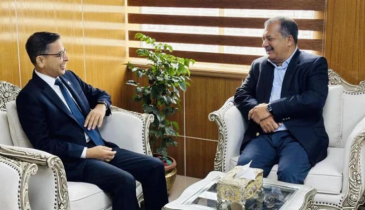
Speaking in Dhaka, British High Commissioner Sarah Cooke said bilateral relations are becoming “deeper and more forward-looking,” covering a wide range of sectors including trade, climate resilience, security, migration, and democratic governance. The evolving framework signals a transition from development assistance to a more balanced partnership driven by mutual interests.
Trade remains a cornerstone of ties. The UK is one of Bangladesh’s key export destinations, particularly for ready-made garments, which account for the bulk of bilateral commerce. Under the Developing Countries Trading Scheme, Bangladesh currently enjoys duty-free access to nearly all product categories. Even after its graduation from least developed country status, most exports will continue to benefit from preferential access during a transition period, helping sustain competitiveness in the British market.
Investment flows are also gaining momentum. British institutions, including British International Investment, have pledged significant funding for projects in infrastructure, renewable energy, healthcare, and financial services. Additional support from UK Export Finance is expected to facilitate large-scale development projects and boost industrial capacity.
Climate cooperation has emerged as another major pillar. As one of the countries most vulnerable to climate change, Bangladesh is working closely with the UK on flood forecasting, disaster preparedness, and access to climate finance. These efforts align with Dhaka’s push for greener industrialisation, particularly in the garment sector, where sustainability is increasingly shaping global demand.
Analysts say the expanding partnership also reflects shared geopolitical interests, including regional stability and secure migration pathways. As Bangladesh advances toward middle-income status, both countries are positioning their relationship to unlock new opportunities in innovation, technology transfer, and skills development, reinforcing long-term economic growth and resilience.
.png "Advertisement")