US war in Iran has cost $25b so far, says Pentagon official

The United States has spent an estimated $25 billion on its ongoing conflict with Iran, according to a senior Pentagon official, marking the first official disclosure of the war’s financial cost amid growing domestic scrutiny.
Testifying before the House Armed Services Committee, Pentagon comptroller official Jules Hurst said the bulk of the expenditure has gone toward munitions, including missiles, air operations, and logistical support. However, he did not provide a detailed breakdown or clarify whether the figure includes long-term costs such as rebuilding damaged military bases across the Middle East or future operational expenses.
The disclosure comes at a politically sensitive time for Donald Trump, with midterm elections approaching and opposition lawmakers increasingly linking the war’s cost to domestic economic concerns. Democrats argue that the massive military spending is contributing to inflationary pressures and diverting resources from critical sectors such as healthcare, education, and infrastructure.
Senior Democrat Adam Smith, who serves on the House Armed Services Committee, welcomed the disclosure but criticised the delay in providing clear figures, noting that lawmakers had repeatedly sought transparency on the financial burden of the conflict.
The $25 billion figure underscores the rapid pace of spending, especially considering earlier estimates suggested that the first week of military operations alone cost over $11 billion. Analysts say the escalation of airstrikes, naval deployments, and advanced weapons usage has significantly driven up costs in a short period.
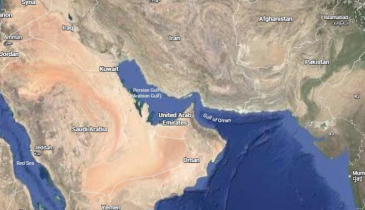
Beyond direct military spending, economists warn of wider financial implications. The conflict has disrupted global energy markets, pushing up oil prices and increasing shipping risks in key routes such as the Strait of Hormuz. These disruptions have had ripple effects on global inflation and trade.
Experts also caution that the current figure likely represents only a fraction of the total long-term cost. Historical precedents suggest that post-conflict expenses, including reconstruction, veteran care, and regional stabilisation efforts, could push the overall price tag significantly higher in the years ahead.
.png "Advertisement")