Delhi should reset neighbourhood policy, ease trade barriers with Dhaka

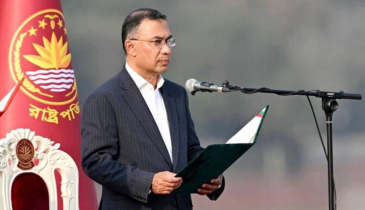
India has been urged to recalibrate its neighbourhood policy and ease trade barriers with Bangladesh ahead of an upcoming visit by Foreign Minister Khalilur Rahman to New Delhi. The visit will mark the first high-level political engagement between the two countries since PM Tarique Rahman assumed office earlier this year.
Indian foreign policy analyst C Raja Mohan said the moment presents a critical opportunity for New Delhi to rethink its approach toward South Asian neighbours amid shifting regional dynamics. Writing in The Indian Express, he argued that relations with Dhaka require fresh political momentum and a more balanced, partnership-based framework.
Mohan noted that Bangladesh’s “Bangladesh First” policy signals a shift toward interest-driven diplomacy, encouraging a more equal and pragmatic engagement between the two countries. He criticised India’s long-standing assumption that smaller neighbours should respond with political deference, warning that such attitudes have contributed to regional resentment.
The analyst emphasised that meaningful cooperation must deliver tangible benefits, including improved connectivity, expanded market access and increased trade flows. He called for dismantling non-tariff barriers, upgrading border infrastructure and facilitating smoother cross-border commerce to unlock economic potential.
Highlighting broader regional implications, Mohan said global uncertainty and the economic fallout from conflicts in West Asia make stronger South Asian cooperation more urgent. He suggested deeper collaboration on energy security and trade involving Bangladesh, Nepal, Sri Lanka and other regional partners.
Despite geographical proximity, South Asian countries continue to rely heavily on distant markets, while China remains a dominant supplier in the region. Mohan attributed this imbalance to restrictive trade policies and inadequate infrastructure, which have limited regional integration.
He argued that India should open its markets further to neighbouring countries, noting that it already runs trade surpluses with Bangladesh and others. Increased imports, investment and connectivity, he said, would create mutual economic gains and strengthen political stability.
Analysts believe that a shift toward reciprocal, benefit-driven policies could transform regional relations, but success will depend on political will and sustained policy reforms.
.png "Advertisement")