EU sends election observers to Bangladesh polls
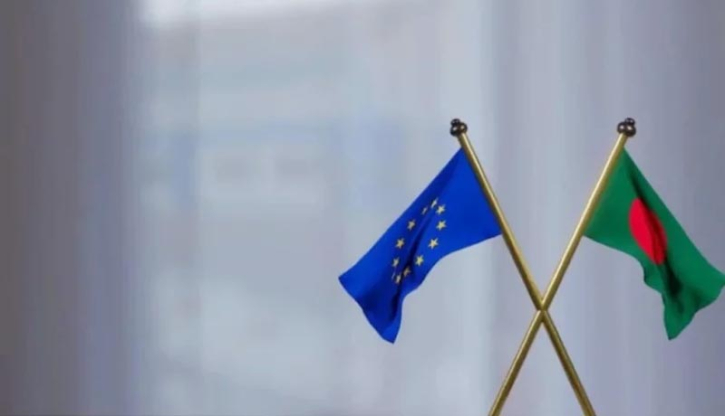
The European Union has announced the deployment of an Election Observation Mission to Bangladesh to monitor the country’s parliamentary elections scheduled for 12 February 2026, following a formal invitation from Bangladeshi authorities.
EU High Representative and European Commission Vice President Kaja Kallas approved the mission and appointed Ivars Ijabs, a Member of the European Parliament, as chief observer. The mission will independently assess the entire electoral process, including the pre-election environment, polling day procedures and the post-election phase.
Ijabs said he was honoured to lead the observation team, describing the mission as a concrete expression of EU support for the Bangladeshi people’s commitment to democratic governance, the rule of law and respect for human rights. He stressed that the observers would deliver an impartial and evidence-based evaluation in line with international standards.
The EU said the mission aims to support the conduct of elections that are free, fair, inclusive and participatory, at a time when Bangladesh is under close international scrutiny over political competition, civic space and election-related violence.
Ahead of the deployment, representatives of the EU Delegation in Dhaka, the Bangladesh Election Commission and the Ministry of Foreign Affairs signed a formal agreement setting out the terms for EU election observation. Long-term observers are expected to be deployed well before polling day, followed by a larger short-term presence closer to the vote.
The EU Embassy in Dhaka described the Bangladesh elections as the largest democratic exercise globally in 2026, given the country’s large electorate and national scale of the polls.
The announcement comes amid concerns over political tensions and security. Following the recent targeting of Sharif Osman Hadi, a spokesperson for the political platform Inquilab Mancha, EU Ambassador to Bangladesh Michael Miller welcomed a meeting between the Chief Adviser and leaders of the three main political parties. He said the talks sent a strong signal of unity and resolve against electoral violence, which the EU views as essential for a credible election process.
.png "Advertisement")