Nepal votes in 1st elections since Gen Z protests ousted Oli government
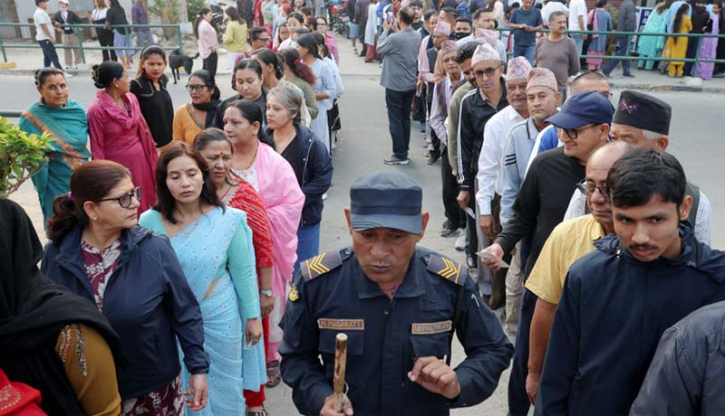
Voting began across Nepal on Thursday to elect 275 members of the country’s lower house of parliament in a crucial election seen as a test of political stability after months of unrest that forced the resignation of former prime minister KP Sharma Oli.
The nationwide vote comes roughly six months after large-scale demonstrations led largely by Generation Z protesters triggered the collapse of Oli’s government and led to the dissolution of the House of Representatives.
The protests, which erupted last year, were fueled by public anger over corruption, unemployment and widening economic inequality. Demonstrators demanded sweeping political reforms and the removal of long-time political elites.
During the unrest, several key government and commercial buildings in the capital Kathmandu were damaged or burned, including the parliament complex and the office of the prime minister. More than 70 people were reported killed in clashes and violence linked to the protests.
Amid mounting pressure, Oli stepped down, and former chief justice Sushila Karki was appointed interim leader to oversee the transition and organize early elections within six months.
Election authorities said nearly 19 million voters are eligible to cast ballots in the polls. Of the 275 seats in the House of Representatives, 165 lawmakers will be elected through a first-past-the-post system, while the remaining 110 will be chosen through proportional representation.
Officials also reported that more than 900,000 voters are participating in a national election for the first time, reflecting the strong engagement of younger citizens who played a central role in the protest movement.
The upper chamber of parliament, the National Assembly, will later be chosen by elected representatives from the federal and provincial legislatures.
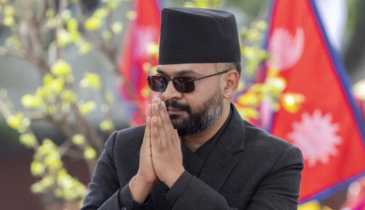
Among the prominent candidates is Balendra Shah, the former mayor of Kathmandu, who resigned from his post to contest the parliamentary race from Jhapa-5, a constituency previously represented by Oli.
A structural engineer by profession, Shah has gained significant support among young voters seeking generational change in Nepal’s political leadership. Analysts say the election outcome could reshape the country’s political landscape and determine whether a new wave of leaders will emerge following months of unrest.
.png "Advertisement")