Dhaka highlights energy, water cooperation in India ties reset
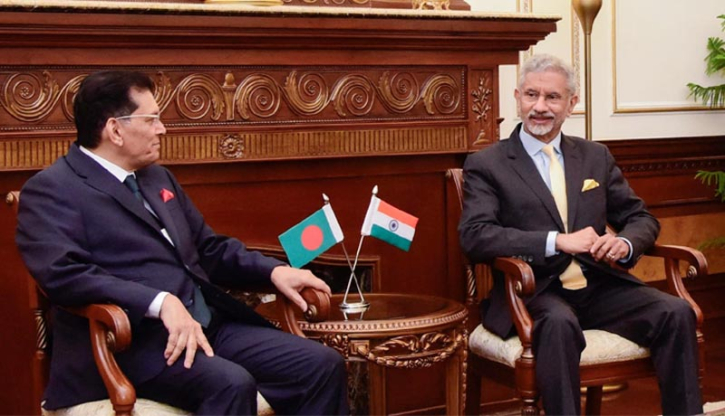
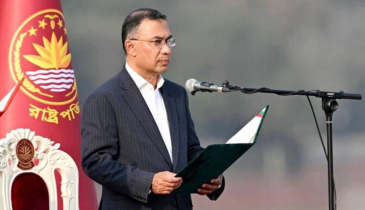
Bangladesh has signalled a cautious but steady approach to rebuilding ties with India, with Foreign Minister Khalilur Rahman emphasising gradual progress and trust-building as the foundation for stronger bilateral relations.
Speaking in an interview, he said Dhaka is pursuing a “slowly but surely” strategy following the formation of the government led by Tarique Rahman.
Rahman noted that both countries are showing renewed willingness to engage, describing the current diplomatic climate as one of convergence. Rather than pushing for rapid agreements, Bangladesh is prioritising incremental steps to rebuild confidence and ensure long-term stability in relations.
Energy cooperation has emerged as a key pillar in the evolving partnership. Rahman highlighted India’s continued diesel supply to Bangladesh through cross-border infrastructure, including pipeline connectivity, which has helped cushion the impact of global energy disruptions linked to the Middle East conflict. Officials say expanding electricity trade and joint energy investments could further strengthen economic resilience.
Water-sharing issues are also expected to play a crucial role, particularly with the upcoming review of the Ganga Water Treaty. Rahman described water as a shared lifeline, stressing the need for equitable and sustainable management of transboundary rivers. He also called for deeper collaboration on climate resilience, noting that both countries face similar environmental threats, including floods, rising temperatures and extreme weather events.
On broader foreign policy, Rahman reiterated that Bangladesh does not view international relations as a zero-sum game, pointing to its growing ties with multiple global partners. He described India as a “structural presence” in Bangladesh’s development, especially in connectivity, trade and regional integration.
He also underscored the importance of strengthening people-to-people links, including easing visa processes and boosting cultural exchanges. Analysts say such measures could help translate diplomatic engagement into tangible benefits for citizens on both sides of the border.
.png "Advertisement")