Apple CEO Tim Cook is stepping down
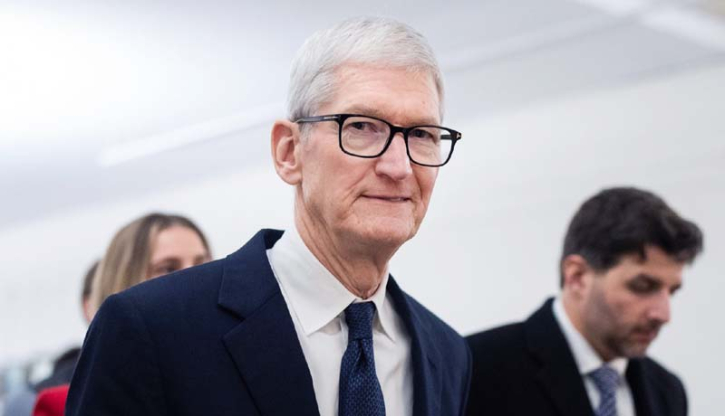
Apple has announced that Tim Cook will step down as chief executive on September 1, 2026, marking the end of a 15-year leadership period that reshaped the company’s global position and product strategy.
Cook will be succeeded by John Ternus, currently senior vice president of hardware engineering, in a transition unanimously approved by Apple’s board. Cook is set to remain closely involved with the company as executive chairman, a newly created role that will see him advise leadership, support long-term strategy, and maintain engagement with global regulators and policymakers.
The transition will unfold over the coming months, with Cook continuing as CEO through the summer while working alongside Ternus to ensure continuity. Longtime board leader Arthur Levinson will shift to the role of lead independent director, while Ternus will also join Apple’s board, further consolidating his leadership position.
Cook, who took over from Steve Jobs in 2011, is widely credited with transforming Apple into one of the world’s most valuable companies. During his tenure, Apple’s market value surged from roughly $350 billion to around $4 trillion, while annual revenue climbed to more than $400 billion. His leadership oversaw the diversification of Apple’s business, particularly through rapid growth in services such as digital subscriptions, cloud offerings, and financial products.
Beyond financial expansion, Cook guided major product innovations, including the launch of wearable technology and the transition to Apple-designed processors, strengthening the company’s control over its hardware and software ecosystem. He also emphasised sustainability initiatives, supply chain resilience, and privacy-focused policies, which became defining elements of Apple’s brand identity.
Ternus, a long-serving executive with more than two decades at Apple, has played a key role in developing flagship hardware products. Analysts say his engineering background suggests continuity in Apple’s product-driven strategy, even as the company faces increasing competition, regulatory scrutiny, and evolving global tech dynamics.
.png "Advertisement")