Myanmar polls under shadow of war and military rule
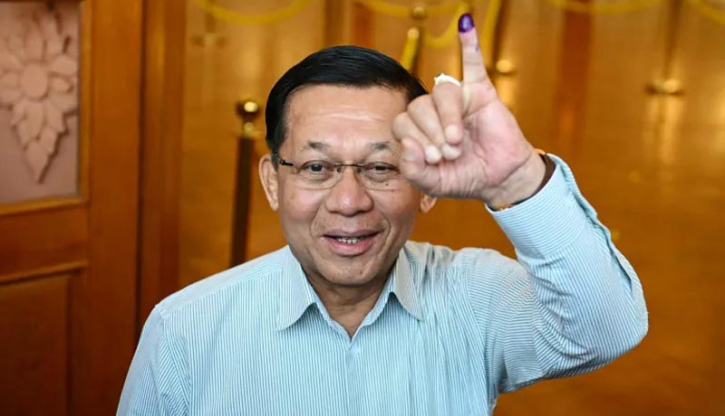
Polling stations opened across Myanmar on Sunday for a general election held amid an ongoing civil war and widespread doubts over its legitimacy, marking the first nationwide vote since the military seized power in a 2021 coup.
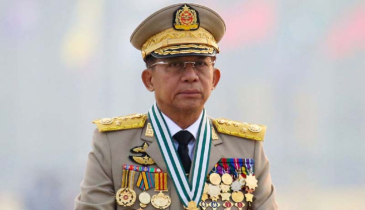
The ruling junta has portrayed the election as a step toward political stability and economic recovery in the conflict-ravaged Southeast Asian country. Military leaders say the vote will pave the way for a transition to a “disciplined democracy” after years of turmoil and sanctions.
Critics, however, have dismissed the polls as neither free nor fair. The United Nations, Western governments and human rights groups argue the election lacks credibility because key opposition forces are barred from participating and large parts of the country remain under martial law or active conflict. Many anti-junta parties are boycotting the process, while thousands of political activists are imprisoned.
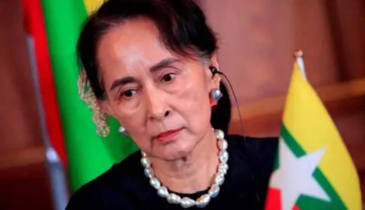
Former civilian leader Aung San Suu Kyi, a Nobel Peace Prize laureate, remains in detention after being removed from office shortly after her National League for Democracy won a landslide victory in the 2020 election. Her party has since been dissolved by the military authorities, effectively removing the most popular political force from the race.
The 2021 coup triggered mass nationwide protests that were violently crushed by security forces, pushing many opponents of military rule to take up arms. Fighting has since spread across the country, with ethnic armed groups and resistance forces challenging the junta’s control in multiple regions.
Voting will take place in three phases, starting Sunday, followed by additional rounds on January 11 and January 25. The polls are expected to cover 265 of Myanmar’s 330 townships, though the military does not fully control all of those areas due to ongoing clashes. The junta has not announced when votes will be counted or when results will be released, adding to uncertainty over the outcome, with a junta-aligned party widely expected to dominate the process.
.png "Advertisement")