Iran names Khamenei's son as new supreme leader after father's killing
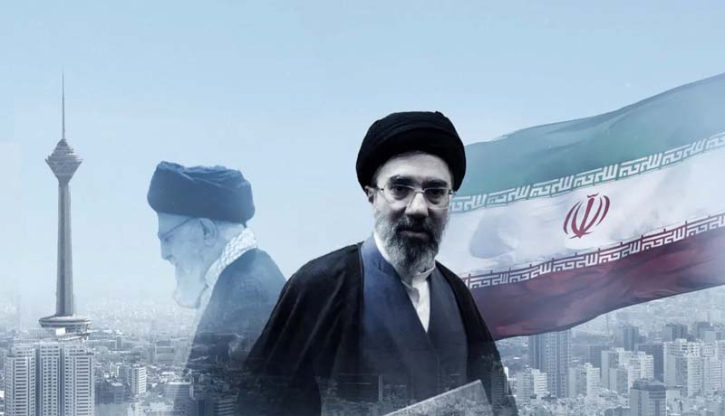
Iran has appointed Mojtaba Khamenei as the country’s new supreme leader, just over a week after the killing of his father, Ali Khamenei, in joint United States-Israeli strikes that have sharply escalated tensions across the Middle East.
The 56-year-old cleric was selected by Iran’s powerful Assembly of Experts, the body constitutionally tasked with appointing and overseeing the country’s top leader. His appointment comes at a time when Iran faces one of the most serious crises since the establishment of the Islamic Republic in 1979.
The new supreme leader is expected to guide the country through an ongoing regional conflict and heightened military confrontation with the United States and Israel.
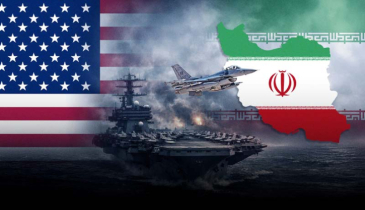
Ali Khamenei, who had ruled Iran since 1989, was reportedly killed in a wave of coordinated airstrikes targeting Iranian military and political facilities. The attacks triggered retaliatory actions by Tehran and raised fears of a broader regional war.
Analysts say Mojtaba Khamenei is likely to follow a similar hardline approach to his father’s policies toward the United States and Israel. Some experts believe his leadership could signal continuity in Iran’s strategic posture, while others suggest the prolonged conflict may eventually push Tehran to explore diplomatic options if conditions change.
Political observers note that Mojtaba has long maintained close ties with the Islamic Revolutionary Guard Corps and has played a significant behind-the-scenes role in the political structure surrounding the supreme leader’s office.
The leadership transition has drawn sharp reactions internationally. US President Donald Trump previously criticized the possibility of Mojtaba Khamenei taking power, while Israeli officials warned that Iran’s leadership would remain a potential military target if hostilities continue.
Within Iran, senior clerics involved in the selection process said the new leader was chosen for his ideological commitment and willingness to confront external pressure, arguing that strong leadership was necessary during wartime conditions.
.png "Advertisement")