Myanmar parliament reconvenes under strong military influence
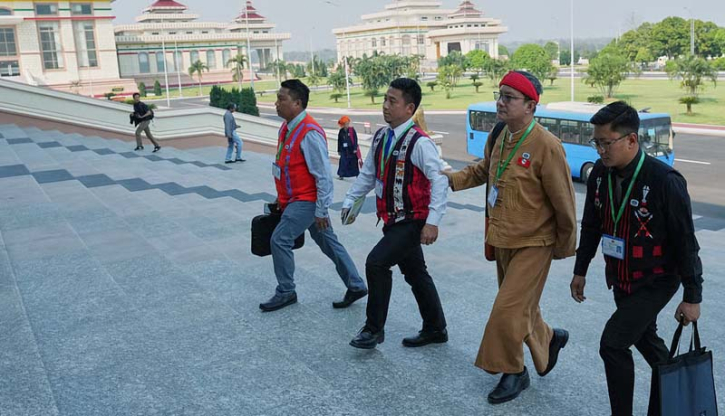
Myanmar’s parliament met on Monday for the first time since the military seized power in the 2021 coup, marking what authorities describe as a transition toward a civilian-led political system. However, analysts and critics say the new legislature remains firmly under the control of the country’s powerful armed forces.
The parliamentary session follows a staggered national election that was largely dominated by the military-backed Union Solidarity and Development Party (USDP). The vote was held amid low voter turnout and the absence of major opposition groups, many of which were banned or sidelined during the military administration.
USDP chairman and former brigadier-general Khin Yi was elected speaker of the lower house, a position considered highly influential in shaping the government’s legislative agenda. Political observers say his appointment underscores the military’s continuing grip on key institutions.
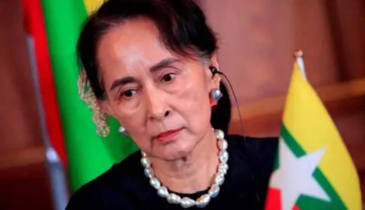
Myanmar has been gripped by political turmoil and armed conflict since the military ousted the elected government of Nobel Peace Prize laureate Aung San Suu Kyi in February 2021. The coup triggered nationwide protests, a violent crackdown by security forces, and a widening civil war involving pro-democracy groups and ethnic armed organizations. The conflict has displaced millions of people and deepened a humanitarian crisis across the country.
Western governments and democracy advocates have dismissed the recent election as an attempt by the military leadership to legitimize its rule after years of international isolation, sanctions, and exclusion from major global forums.
According to official results, the USDP secured about 81 percent of contested seats. Combined with the constitutionally reserved 25 percent of parliamentary seats allocated to military officers, the armed forces maintain decisive influence over the legislature and the selection of the country’s president.
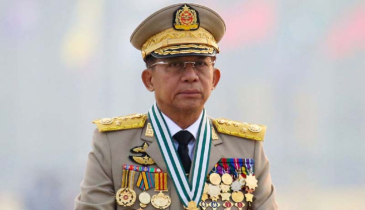
Many analysts believe junta leader Senior General Min Aung Hlaing is positioning himself to assume the presidency under the new political framework. Critics argue the new parliament may function largely as a mechanism to formalize military authority rather than introduce meaningful democratic governance.
.png "Advertisement")