Bangladesh's first female PM Khaleda Zia dies aged 80
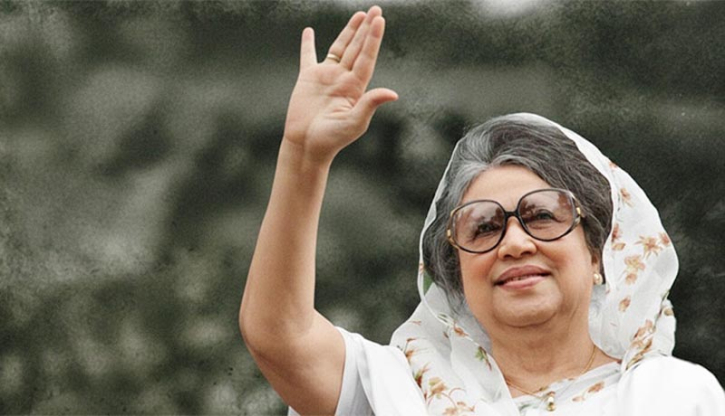
Khaleda Zia, Bangladesh’s first female prime minister and a towering figure in the country’s turbulent political history, has died at the age of 80 after a prolonged illness, party officials and hospital sources said.
She passed away in Dhaka after doctors described her condition as 'extremely critical' in her final hours. Medical teams had placed her on life support but said her age and multiple health complications made further intensive treatment impossible. News of her death prompted large crowds of supporters to gather outside Evercare Hospital, where she had been receiving care.
Khaleda Zia rose to power in 1991, leading the Bangladesh Nationalist Party (BNP) to victory in the country’s first democratic election after nearly two decades of military-backed rule. Her election marked a historic breakthrough for women in South Asian politics and ushered in the restoration of parliamentary democracy through a constitutional amendment passed with cross-party backing.
Born into a middle-class family, she entered public life after the assassination of her husband, President Ziaur Rahman, in a 1981 military coup. Initially seen as a reluctant political figure, she went on to defy entrenched norms in a male-dominated arena, earning a reputation as a resolute and uncompromising leader.
Her political career was defined by a fierce rivalry with Sheikh Hasina, another former prime minister, which dominated Bangladesh’s politics for more than three decades. Khaleda Zia served three terms as prime minister, including a brief and controversial second term in 1996 and a full term from 2001 to 2006, periods marked by both economic initiatives and persistent allegations of corruption.
In later years, she became the most prominent opposition figure against the Awami League government, boycotting the 2014 election and later being jailed on corruption charges she consistently denied, calling them politically motivated.
Despite failing health, her party had recently signaled she would contest upcoming elections, underscoring her enduring influence. Her death closes a defining chapter in Bangladesh’s political history, leaving behind a legacy that shaped the nation’s democracy, rivalry and resilience.
.png "Advertisement")