UN raises alarm over systemic discrimination and violence in India
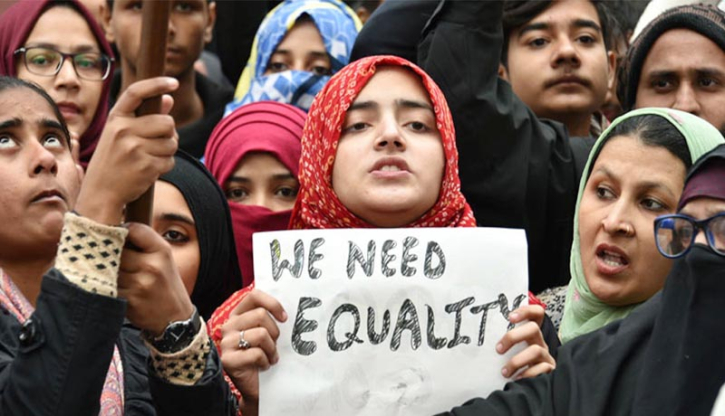
The United Nations Committee on the Elimination of Racial Discrimination (CERD) has triggered its early warning and urgent action mechanism over what it described as systemic discrimination and escalating violence affecting minority and tribal communities in India.
In a series of communications sent to the Indian government in January 2026, the UN committee warned that several policies related to security operations, citizenship determination and environmental conservation could be breaching India’s obligations under the International Convention on the Elimination of All Forms of Racial Discrimination.
The committee said the situation carried a risk of serious and widespread human rights violations if left unaddressed, prompting the rare use of its emergency procedure.
CERD expressed particular concern over counter-insurgency operations in the Bastar region of Chhattisgarh, home to a large Adivasi population. It cited reports of intensified violence since early 2024, with hundreds of Adivasis, including civilians, allegedly killed during security operations. The UN body also raised alarm over claims of aerial bombardments, the rapid expansion of security camps on ancestral land without consent, and the alleged use of rewards and promotions linked to lethal operations, which it said may foster impunity.
The committee further highlighted allegations of arbitrary arrests under anti-terror laws, harassment of human rights defenders, and the operation of so-called “surrender centres,” where tribal residents are reportedly detained without due process.
In Assam, CERD reiterated long-standing concerns about the National Register of Citizens, saying Bengali-speaking Muslims face disproportionate exclusion due to procedural barriers and vague classifications such as “non-original inhabitants.” It also pointed to reports of forced evictions without adequate rehabilitation and a rise in hate speech targeting minorities during the 2024 national election period.
The UN body also questioned conservation-driven relocations linked to tiger protection projects, warning that thousands of forest-dwelling families risk displacement without clear evidence of free, prior and informed consent or sufficient compensation.
CERD noted that India had not adequately addressed similar concerns raised in earlier correspondence in 2025 and has now asked New Delhi to provide detailed information on investigations into alleged killings, safeguards against racial profiling, and legal protections for affected communities.
The intervention is expected to intensify international scrutiny of India’s human rights record, particularly in conflict-affected and minority-dominated regions, at a time when global rights bodies are increasingly monitoring domestic policies in major democracies.
.png "Advertisement")