Iran rules out missile talks with Washington
Iran has made clear that its missile programme will not be part of any negotiations with the United States, even as both sides signal interest in resuming diplomatic talks following indirect discussions mediated by Oman.
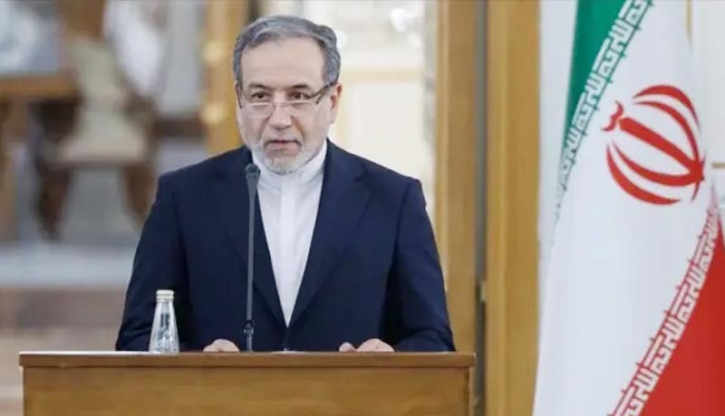
Foreign Minister Abbas Araghchi said on Saturday that Iran’s ballistic missile capabilities were 'never negotiable' during the latest round of contacts and warned that any US attack on Iranian territory would prompt retaliation against American military bases across the Middle East.
Araghchi described the Muscat talks as a 'good beginning,' noting that while the discussions were indirect, there was brief contact between Iranian and US delegations. However, he stressed that rebuilding trust would take time after years of hostility and failed agreements.
US President Donald Trump later said another round of negotiations could take place next week, raising cautious hopes of reviving diplomacy. At the same time, Washington announced fresh sanctions targeting shipping companies and vessels accused of helping Iran bypass restrictions on its oil exports, underlining the continued pressure campaign.
Araghchi reaffirmed that nuclear enrichment remains an 'inalienable right' under international law and said Tehran was prepared to reach a deal that would reassure the international community about the peaceful nature of its programme. 'Iran’s nuclear file can only be resolved through negotiations,' he said, while insisting that enrichment activities must continue.
The Iranian minister rejected US efforts to widen the agenda to include Tehran’s missile programme and its regional alliances, issues strongly backed by Israel and some US allies. He said Iran views its missile capabilities strictly as a defensive necessity, shaped by decades of sanctions and security threats.
Economic considerations also loom large in the talks. Iran’s trade remains heavily tilted toward China, which accounted for more than a quarter of its total commerce last year, according to international trade data. Iranian officials have argued that easing sanctions would stabilise energy markets and benefit global trade.
.png "Advertisement")