How Pakistan won Trump's trust to emerge as an unlikely mediator in the Iran war
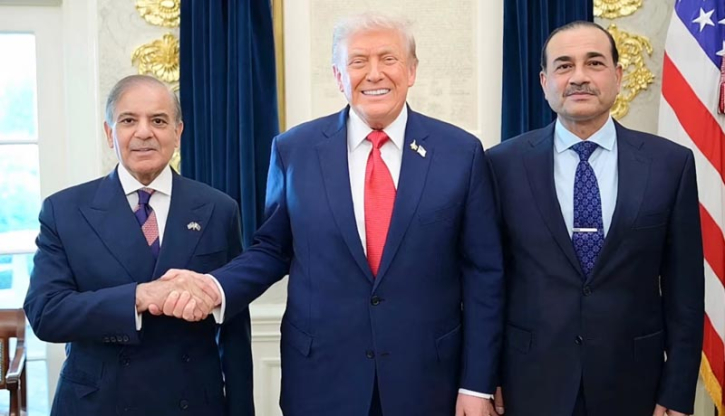
Pakistan’s unexpected rise as a potential mediator in the Iran war has drawn global attention, with analysts pointing to a mix of strategic geography, political ties and calculated diplomacy behind Islamabad’s role.
A major factor is the personal rapport between Pakistan’s army chief Asim Munir and US President Donald Trump, who has publicly expressed confidence in Munir’s understanding of regional dynamics.
Geography also strengthens Pakistan’s position. Sharing a long border with Iran and maintaining historically close cultural and religious ties, Islamabad is seen as a credible interlocutor. Unlike several Gulf nations, Pakistan does not host US military bases and has avoided direct involvement in the conflict, allowing it to maintain a neutral stance while quietly facilitating communication between Washington and Tehran.
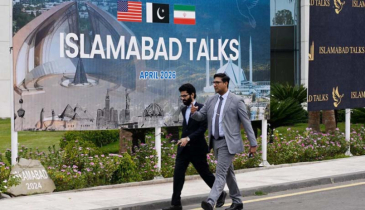
In recent weeks, Pakistan has intensified diplomatic engagement, hosting foreign ministers from key Muslim countries and encouraging dialogue. However, its mediator role is complicated by internal and regional challenges. Ongoing tensions with Afghanistan and India, alongside security concerns along its western border, raise questions about its capacity to manage external peace efforts while facing domestic instability.
The stakes are particularly high for Pakistan’s economy. As a major importer of oil passing through the Strait of Hormuz, any prolonged disruption could worsen inflation, strain foreign reserves and slow growth. Rising fuel prices have already forced energy-saving measures, highlighting the country’s vulnerability to external shocks.
Security risks are also mounting. A defence agreement with Saudi Arabia could draw Pakistan into the conflict if the kingdom becomes directly involved. Meanwhile, public sympathy for Iran has sparked protests, adding political pressure on the government’s diplomatic balancing act.
Despite these risks, Islamabad sees an opportunity to elevate its global standing. By pursuing a strategy of multi-alignment—maintaining ties with competing powers—Pakistan aims to position itself as a neutral facilitator. While success could enhance its diplomatic credibility, failure may expose it to criticism. The outcome will depend on whether Pakistan can navigate complex geopolitics without becoming entangled in the conflict itself.
.png "Advertisement")