Global oil, gas shipping costs surge as Iran vows to close Strait of Hormuz
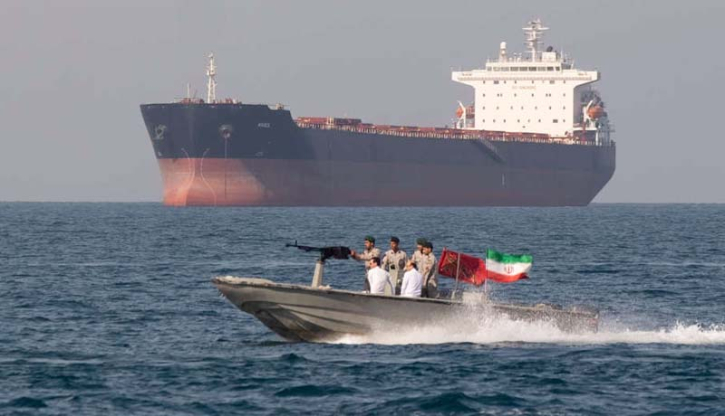
Global oil and gas shipping rates soared, with supertanker costs in the Middle East hitting all-time highs, as the US-Iran conflict intensified after Tehran targeted ships passing through the Strait of Hormuz, according to shipping data and industry sources on Tuesday.
Industry data on Tuesday showed that supertanker freight costs in the Middle East soared after Iran targeted vessels transiting the narrow waterway in retaliation for US and Israeli strikes. The strait, situated between Iran and Oman, handles roughly 20% of the world’s oil consumption and significant volumes of liquefied natural gas (LNG).
Shipping movements through the channel have slowed dramatically following reported attacks on vessels, raising fears of a prolonged closure.
The supply disruption has rattled energy markets worldwide. Brent crude futures climbed nearly 10% this week, while European natural gas prices also rose sharply as traders priced in the risk of extended outages across the Gulf.
Benchmark freight rates for Very Large Crude Carriers (VLCCs) — capable of transporting two million barrels of oil — hit an unprecedented W419 on the Worldscale measure, equivalent to more than $423,000 per day, according to LSEG data. The rate has more than doubled in days, reflecting mounting security concerns.
Daily LNG tanker rates also jumped sharply. Atlantic basin rates rose over 40% to around $61,500 per day, while Pacific rates increased by about 45% to roughly $41,000 per day, according to Spark Commodities.
The crisis intensified after US President Donald Trump confirmed expanded military operations against Iran. In response, Tehran has launched strikes toward Gulf states and threatened to block Hormuz entirely.
Energy consultancy Wood Mackenzie warned that spot LNG shipping rates could exceed $100,000 per day if vessel availability tightens further.
.png "Advertisement")