Indian rupee cracks below 90 to the dollar
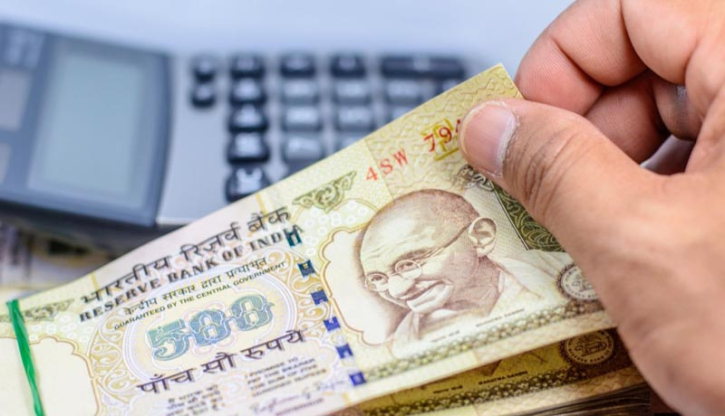
The Indian rupee slipped below the 90-per-dollar mark for the first time on Wednesday extending an eight-month downturn driven by persistent capital outflows.
The latest slide underscores mounting stress in Asia’s third-largest economy, where the local currency has now lost about 5% of its value against the dollar so far this year, making it one of the region’s weakest performers.
Traders said the breach of the key psychological barrier amplified volatility in the currency market, triggering a surge in last-minute dollar purchases by importers worried about rising costs. The move from 85 to 90 took less than a year — far quicker than its earlier fall from 80 to 85 — raising concerns that depreciation is accelerating.
India’s export sector has been hit hard by steep US tariffs of up to 50% on Indian goods, which have made shipments to its largest market significantly less competitive. The reduced export income has weakened foreign investor sentiment, contributing to a sharp sell-off in Indian equities. Net foreign outflows have reached nearly $17 billion this year, placing India among the worst-affected emerging markets.
Although India continues to attract strong gross investment inflows — $6.6 billion in September alone — large profit-taking exits in India’s IPO-heavy market have more than offset these gains. Private equity and venture capital firms have been cashing out aggressively, while net foreign direct investment (FDI) remained negative for the second month in a row in September, according to the Reserve Bank of India’s November bulletin. The central bank cited rising outward FDI and repatriation of earlier investments as key factors.
A widening trade deficit has added further pressure. The merchandise trade gap hit a record high in October, driven by soaring gold imports and weaker export performance. Meanwhile, dollar inflows from overseas borrowings by Indian firms and deposits from non-resident Indians have slowed noticeably.
Market analysts warn that the rupee could face additional bouts of weakness if global risk appetite deteriorates or if domestic inflation rises. For now, exporters are reportedly holding back dollar sales, betting the rupee may fall even further — a trend that traders say is complicating efforts to stabilise the currency.
.png "Advertisement")