Trump unveils $1m ‘Gold Card' visa for fast-track residency
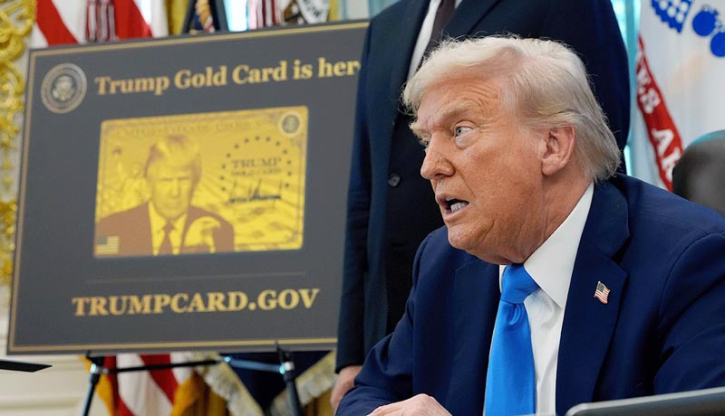
US President Donald Trump has formally rolled out the “Trump Gold Card,” an ultra-expensive fast-track visa programme designed to provide wealthy foreign nationals with an expedited pathway to live and work in the United States.
The programme, launched Wednesday through the website Trumpcard.gov, functions as a premium alternative to the traditional Green Card system. Applicants first pay a $15,000 processing fee to the Department of Homeland Security before undergoing security vetting. Those who pass must then make a mandatory $1 million “contribution” — described interchangeably as a gift — to obtain the visa.
Trump said the initiative offers a “stronger, more powerful path” to residency than existing legal immigration routes, framing it as a programme for “exceptional people” who can contribute to the US economy. The administration has promoted the Gold Card as a way to generate substantial revenue for the federal government without raising taxes.
Commerce Secretary Howard Lutnick said around 10,000 people had already pre-registered before the official launch. He predicted that sales could reach 'thousands of cards' over time, generating “billions of dollars” for government funds. Lutnick argued the scheme would attract high-earning individuals who would strengthen US economic output, though he provided no evidence for his claims that average Green Card holders rely more heavily on public assistance.
The announcement comes as the Trump administration continues its sweeping crackdown on immigration. Over the past year, it has deported large numbers of undocumented migrants and tightened restrictions on legal entry, drawing criticism for creating a two-tier system that prioritises wealth over merit.
In addition to individual applicants, the programme includes a corporate option: companies can secure expedited visas for foreign employees by making a $2 million contribution per person.
The Gold Card marks one of the administration’s most aggressive attempts to monetise the immigration process, echoing Trump’s claims that tariffs and similar policies have boosted government revenue. Critics say the initiative effectively sells US residency to the wealthy, while supporters argue it will bring in investment at a time when the economy is still recovering.
.png "Advertisement")