Canadian PM Carney visits China after nearly a decade of tense relations
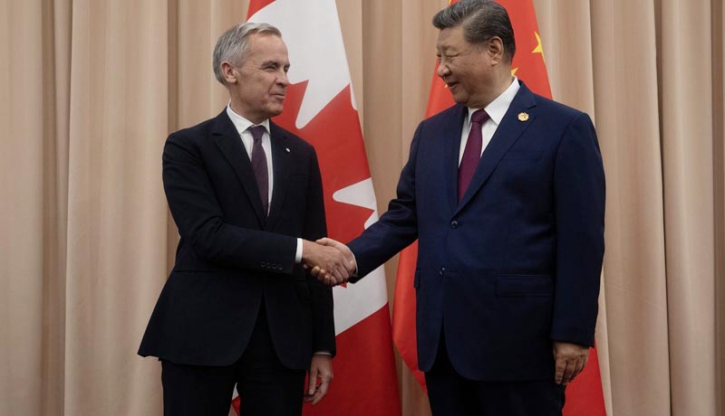
Canadian Prime Minister Mark Carney left for China on Tuesday, marking the first visit by a Canadian leader to Beijing in nearly a decade as Ottawa looks to reset relations amid growing economic and geopolitical uncertainty.
The visit comes at a sensitive moment for Canada, which is facing a deepening trade dispute and renewed political pressure from the United States under President Donald Trump. With Washington threatening higher tariffs and even floating annexation rhetoric, Ottawa is seeking to diversify its trade and security partnerships beyond its traditional ally.
Carney’s trip, scheduled from January 14 to 17, follows his meeting with Chinese President Xi Jinping on the sidelines of a summit in South Korea last October. While that encounter produced no concrete outcomes, it reopened high-level dialogue after years of strained relations, largely triggered by Canada’s 2018 arrest of a senior Huawei executive and the subsequent detention of two Canadians in China.
Senior Canadian officials say Carney is expected to sign several memoranda of understanding, with negotiations continuing up to the final stages of the visit. The talks are expected to focus on trade, climate cooperation, supply chains and international security, though officials caution against expectations of immediate breakthroughs.
Analysts say the visit signals a calculated shift in Canada’s foreign policy. Former senior Liberal adviser Greg MacEachern said the trip is unlikely to be symbolic, noting that Beijing does not host foreign leaders without expecting tangible outcomes. He added that the move will be closely watched in Washington.
Energy exports are also on the agenda. Canada currently sends about 90 percent of its crude oil to the United States, but officials acknowledge that increased US imports from Venezuela could reduce American demand, making China an attractive alternative market.
China’s foreign ministry said it hopes the visit will help rebuild mutual trust and stabilise relations, while Canadian officials say progress on easing Chinese tariffs on canola is possible, though a full rollback remains unlikely during this trip.
.png "Advertisement")