Deadly november Asian storms intensified by warming seas
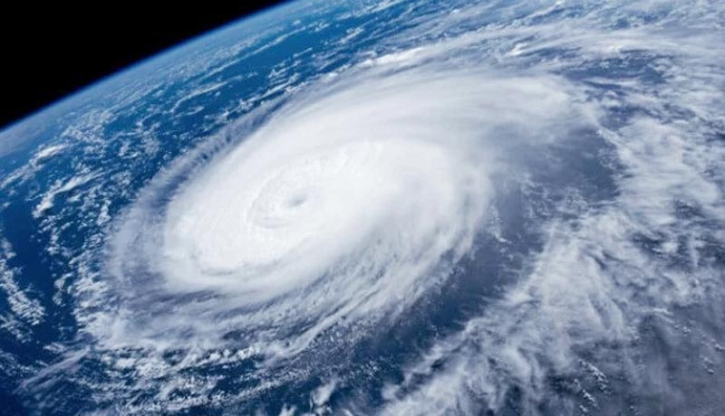
A new scientific assessment has concluded that the catastrophic storms that struck Sri Lanka, Indonesia, Malaysia and Thailand in late November were dramatically intensified by unusually warm ocean waters and worsened by years of deforestation across the region.
The analysis, released Thursday by the World Weather Attribution (WWA) group, found that the deadly systems — Tropical Cyclone Senyar and Tropical Cyclone Ditwah — drew immense energy from elevated sea surface temperatures in the North Indian Ocean. Researchers said ocean temperatures during the most intense five-day rainfall period were about 0.2°C higher than the 1991–2020 average, adding significant heat and moisture to the storms.
Senyar, which formed in the rarely storm-generating Malacca Strait, unleashed devastation across Southeast Asia, killing nearly 1,200 people, including 969 in Indonesia’s Sumatra. Damage estimates indicate at least $3 billion will be required for relief and reconstruction. Sri Lanka faced its own disaster as Cyclone Ditwah triggered severe flooding and landslides, leaving more than 600 dead and causing economic losses of roughly $7 billion.
Scientists said climate change played a key role by heating oceans and amplifying rainfall. With global temperatures now 1.3°C higher than pre-industrial levels, the team estimated that sea surfaces in the region would have been about one degree cooler without human-driven warming — meaning the cyclones likely would have been significantly weaker.
While researchers found no clear evidence that climate change is increasing the frequency of tropical storms, they stressed that warmer seas are fueling far more destructive events. Study lead author Sarah Kew of the Royal Netherlands Meteorological Institute said the scale of damage seen in November highlights a worrying trend.
'The abnormal part is not the storms themselves, but their growing intensity and the staggering human toll they are now taking,' she said.
WWA scientists estimated that extreme rainfall linked to rising global temperatures may have increased by 9–50% in the Malacca Strait and by as much as 28–160% in Sri Lanka. Deforestation — especially in Indonesia and Malaysia — further accelerated runoff, landslides and flash floods.
Storm experts also warned that climate warming is altering storm formation zones and trajectories. Senyar’s development in the narrow Malacca Strait was described as exceptionally rare — possibly only the second storm on record to hit Malaysia from the west — raising concerns that new regions may face future risks previously considered unlikely.
.png "Advertisement")