UN top court set to open Myanmar Rohingya genocide case
The International Court of Justice (ICJ) will open full hearings on Monday in a landmark case accusing Myanmar of committing genocide against the Rohingya Muslim minority, marking the first time in more than a decade that the UN’s top court will hear a genocide case in its entirety.
The proceedings are expected to have wide international implications, with legal experts saying the court’s findings could influence how genocide is defined, proven and remedied under international law, and potentially shape other high-profile cases before the ICJ, including South Africa’s case against Israel over the war in Gaza.
The case was brought in 2019 by The Gambia, a predominantly Muslim West African nation, which accuses Myanmar of violating the Genocide Convention through its treatment of the Rohingya in Rakhine State. Myanmar has consistently denied the allegations.
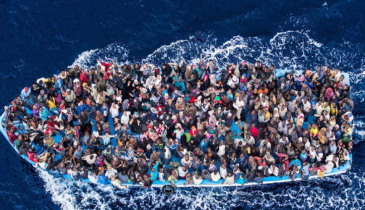
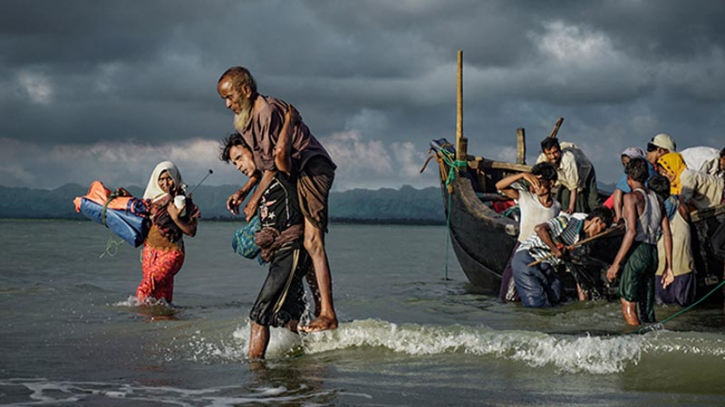
Myanmar’s military launched a sweeping operation in 2017 that drove at least 730,000 Rohingya across the border into Bangladesh. Refugees described widespread killings, sexual violence and the destruction of villages. A UN fact-finding mission later concluded that the campaign involved “genocidal acts,” a finding rejected by Myanmar’s authorities, who have described the operation as a legitimate response to attacks by armed militants.
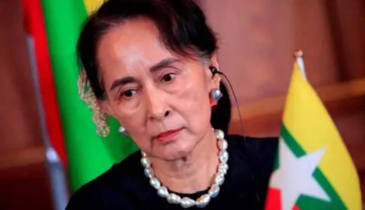
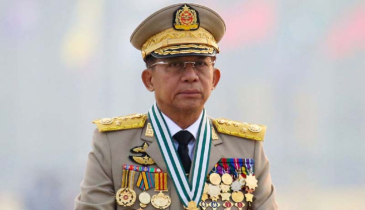
During preliminary hearings in 2019, then civilian leader Aung San Suu Kyi dismissed the genocide accusations as misleading and incomplete. Since then, Myanmar has plunged deeper into crisis following the military’s 2021 coup, which overthrew the elected government and triggered a nationwide armed rebellion.
The upcoming hearings will, for the first time, allow Rohingya victims to be heard by an international court, although the sessions will be held behind closed doors to protect witnesses and sensitive testimony. Proceedings begin at 10:00 am local time and are scheduled to run for three weeks.
The case comes as Myanmar conducts phased elections under military rule, a process criticised by the United Nations, Western governments and rights groups as lacking credibility, further underscoring the broader political and humanitarian stakes surrounding the ICJ’s deliberations.
.png "Advertisement")