Myanmar votes in second phase of Junta-run election
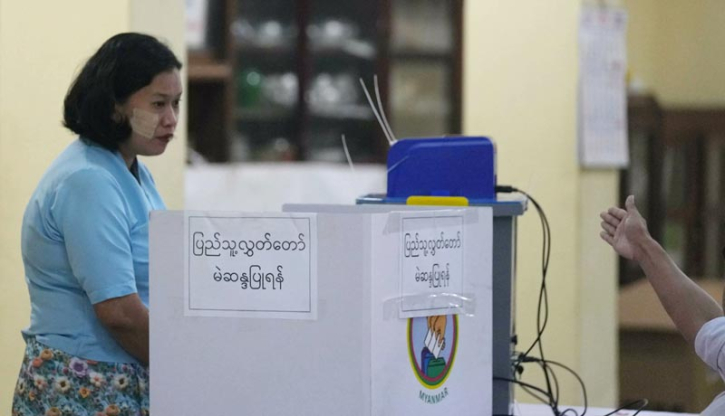
Voters in conflict-hit Myanmar went to polling stations on Sunday for the second phase of a military-organised election
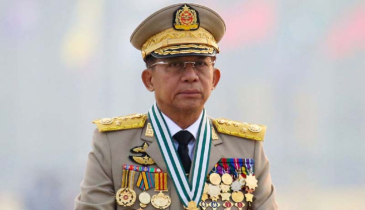
Voters in conflict-hit Myanmar went to polling stations on Sunday for the second phase of a military-organised election, as the ruling junta presses ahead with a vote widely criticised as an attempt to legitimise its grip on power after years of unrest.
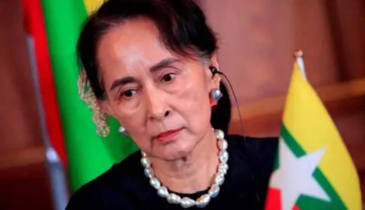
The election comes nearly four years after the military seized power in a 2021 coup that toppled the elected government and led to the detention of Nobel Peace Prize laureate Aung San Suu Kyi. The takeover plunged the Southeast Asian nation into a prolonged civil war, with armed resistance groups battling the army across large swathes of the country and millions displaced.
Suu Kyi’s National League for Democracy (NLD), which won a landslide victory in the 2020 general election, has been formally dissolved, along with dozens of other opposition parties, after they refused or failed to register under new election rules imposed by the junta. Major ethnic armed groups and pro-democracy forces have also boycotted the process, calling it illegitimate.
International condemnation has been swift. The United Nations, Western governments and human rights organisations have rejected the polls as neither free nor fair, citing the absence of genuine political competition, widespread repression, media restrictions and voting taking place amid active fighting in many regions.
The first phase of voting, held on December 28, recorded a turnout of just over 52 percent, far below participation levels seen in the 2015 and 2020 elections. Preliminary results showed the military-aligned Union Solidarity and Development Party dominating the race, securing 90 of the 102 lower house seats contested.
The junta has promoted the election as a step toward restoring 'disciplined democracy,' but critics say the process risks entrenching military rule rather than resolving the political crisis. With violence continuing and large areas outside government control, analysts warn the vote is unlikely to bring stability or international recognition to Myanmar’s embattled rulers.
.png "Advertisement")