US intelligence says Iran government is not at risk of collapse
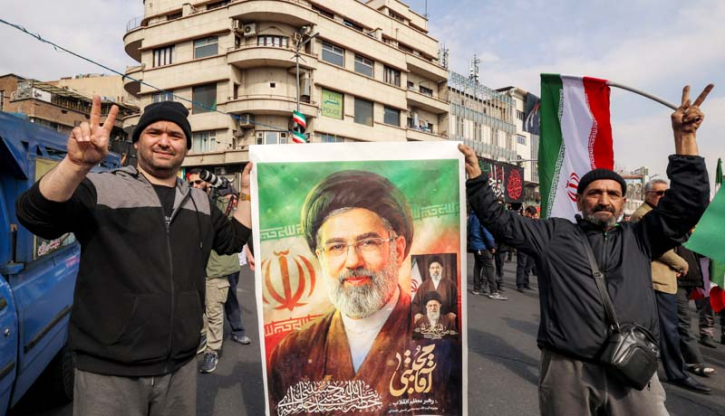
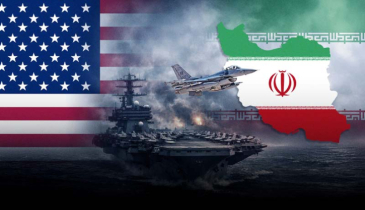
US intelligence agencies believe the leadership of Iran remains firmly in control despite nearly two weeks of intense military strikes by the United States and Israel, according to officials familiar with the latest assessments.
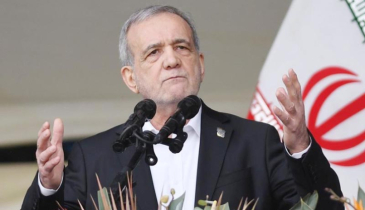
Multiple intelligence reports compiled in recent days conclude that the Iranian government is not at immediate risk of collapsing and still maintains authority over the country’s political institutions and population. Sources briefed on the findings said the analysis consistently indicates that the ruling system remains stable despite the ongoing conflict.
The assessment comes amid growing political pressure on US President Donald Trump as global oil prices surge and the war continues to disrupt regional security. Trump has recently suggested the military campaign could end “soon,” although officials acknowledge that reaching a settlement may prove difficult while Iran’s leadership remains entrenched.
The intelligence findings highlight the resilience of Iran’s clerical establishment even after the death of Supreme Leader Ali Khamenei, who was killed during the first day of US-Israeli airstrikes on February 28.
Despite heavy losses among senior officials and commanders of the powerful Islamic Revolutionary Guard Corps, Iran’s governing institutions continue to function. The influential Assembly of Experts recently appointed Mojtaba Khamenei as the country’s new supreme leader, signalling continuity within the ruling system.
Israeli officials have also privately acknowledged that military action alone may not lead to the collapse of Iran’s government, according to sources familiar with the discussions.
Since the start of the campaign, US and Israeli forces have targeted Iran’s air defences, nuclear facilities and senior military figures. However, Washington has offered differing explanations for the operation’s objectives.
While Trump initially urged Iranians to “take over” their government, senior officials later clarified that regime change was not an official goal of the operation.
Analysts say that removing Iran’s leadership would likely require a large-scale ground offensive or a nationwide uprising—scenarios that currently appear unlikely.
Some opposition groups have explored the possibility of challenging Iranian security forces. Kurdish factions linked to the Komala Party of Iranian Kurdistan have claimed thousands of supporters are ready to fight the government if they receive support from Washington.
.png "Advertisement")