India's condolence outreach seeks to ease Dhaka tensions
A wave of condolence messages and high-level visits from India following the death of Bangladesh’s first female prime minister Khaleda Zia has signalled a possible thaw in strained Dhaka–Delhi relations after months of diplomatic tension.
Relations between the neighbours have been uneasy since the 2024 uprising that ousted the Awami League government, triggering protests, sharp public exchanges and mutual accusations. Diplomatic missions in both countries were targeted, visa services were curtailed, and both sides repeatedly summoned each other’s high commissioners amid disputes over minority rights and political developments.
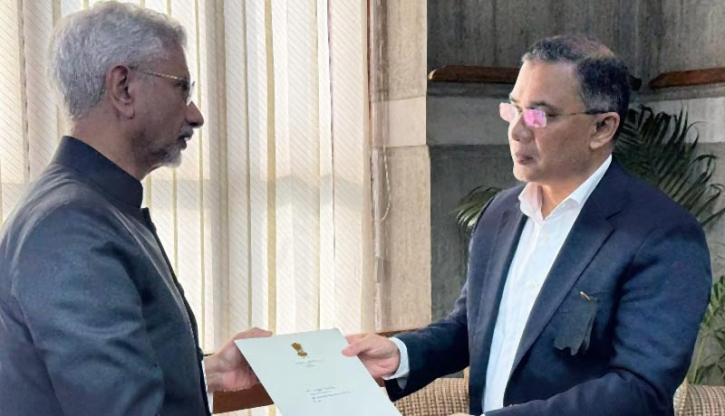
Against this backdrop, India’s swift outreach after Khaleda Zia’s death on Tuesday has drawn attention. External Affairs Minister S Jaishankar arrived in Dhaka on Wednesday to pay respects and delivered a personal condolence letter from Prime Minister Narendra Modi to acting BNP chief Tarique Rahman, who recently returned from 17 years in exile.
Modi’s message praised Khaleda Zia as a leader of “rare resolve and conviction” and spoke of a “new beginning” in bilateral ties, expressing confidence that her legacy would continue to shape the long-standing partnership between the two countries. The letter recalled Modi’s meetings with Khaleda during his 2015 Dhaka visit and conveyed solidarity with the Bangladeshi people during a period of transition.
Jaishankar also held meetings with senior figures of the interim government and BNP leaders, later posting that India hoped Khaleda Zia’s values would guide future cooperation. Indian media viewed the visit as a calculated outreach to Bangladesh’s likely future leadership, with elections scheduled for February 12.
Further underlining the shift, India announced that Defence Minister Rajnath Singh would visit the Bangladesh High Commission in New Delhi to sign a condolence book. Several regional leaders, including Pakistan’s National Assembly Speaker, also travelled to Dhaka, reflecting Khaleda Zia’s regional stature and the broader diplomatic moment surrounding her passing.
.png "Advertisement")